What a motorcycle dealer website needs in 2026
A practical checklist for stock, range pages, enquiries, bookings and the work that keeps a dealer website useful after launch.

A buyer should be able to find a suitable bike, understand what is actually for sale and contact someone who can help. That sounds modest. It becomes a useful test for every decision on a dealer website, from the opening film to the smallest stock label.
Use this checklist when commissioning a new site or reviewing an existing one. Work through it with the people who manage stock and answer enquiries. Their daily tasks expose gaps that a homepage presentation will not. A polished page earns its place when it helps that work happen.
Start with the actual stock
Give each bike a stable, shareable page. Bring the buyer’s questions together: model, year, mileage where applicable, price, photographs, location and current availability. Put a recognisable stock reference beside the enquiry action so a conversation can start with the right machine.
Ask where each field comes from. The dealer management system may own price and status, while someone at the dealership owns descriptions and photography. Document that division. Otherwise, a manual correction can disappear on the next import, or two systems can disagree about whether a bike is sold.
Test awkward records before committing to a feed. Use a bike with missing images, a reserved bike, a price change and one removed from stock. Decide what the customer should see in each case. “Live stock” should describe an understood update process, including its failure behaviour.
Keep the new range accurate
Range pages and used-stock pages serve different purposes. A range page helps someone explore a model, its versions and the next step. A stock page describes a particular bike. Make that distinction visible so a visitor does not mistake a model overview for an available machine.
Use the manufacturer’s relevant UK material as the starting point. Confirm model year, naming, images and any permitted use before publication. Keep a record of the source and a person responsible for checking changes. Reusing a page should never carry an old offer into a new season by accident.
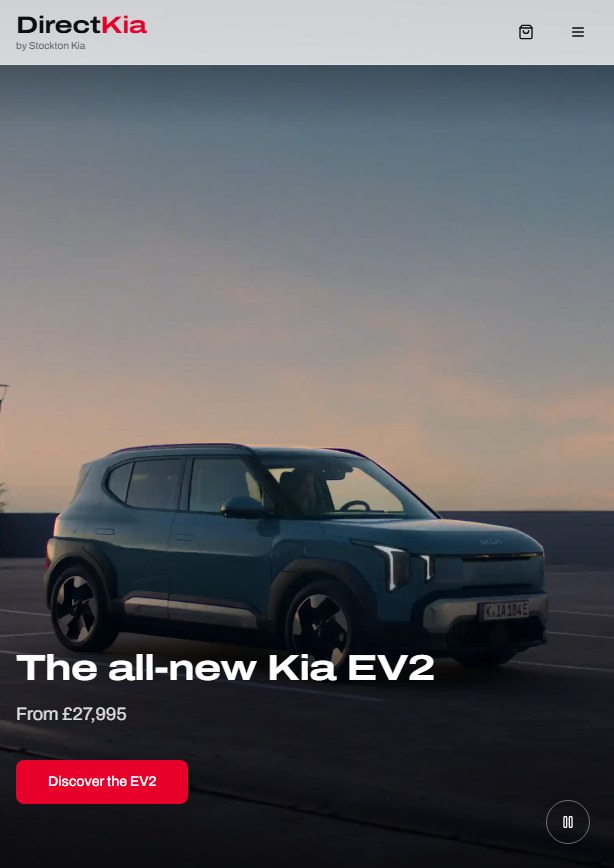
Our Direct Kia case shows a car dealer project with UK range pages, offers and used stock. It is relevant dealer experience, while remaining clearly a car project. A motorcycle brief still needs its own manufacturer data and stock requirements.
Make enquiries and bookings distinct
A test ride, workshop request and stock enquiry may go to different people. Label the actions accordingly. “Ask about this bike” can include a stock reference. A service request needs the information a workshop uses to respond. Avoid asking every visitor to fill out the same long form.
Explain what happens next. If the website sends a request for staff to confirm, call it a request. Only show a confirmed slot when the booking system has actually reserved one. Include a useful recovery path if a connection fails or the customer cannot finish the form.
Keep finance material in a separately reviewed content process. Agree who supplies it, who checks it and when it expires. Do not let a design template or generated description invent examples. The website brief should establish that responsibility before any such material goes live.
Check the phone journey
Try the site with one hand, using the connection and screen size a customer might have away from home. Can they change a stock filter, inspect an image, read the price and return to the results without losing their place? Check keyboard navigation as well as touch.
Large photographs need careful delivery. Reserve their space so the page does not jump as they load. Keep text readable while media arrives, and make contact details available without waiting for a film. A moving opening should support the stock journey rather than delay it.
Google’s Core Web Vitals guidance considers loading, responsiveness and visual stability through LCP, INP and CLS. Use those measures alongside real tasks. A good laboratory score does not tell you whether the enquiry reached the right inbox.
Connect local discovery to useful pages
People need accurate opening hours, directions, contact details and a clear account of the dealership’s services. Keep the information on the website consistent with the business’s public profiles. A workshop page should explain the workshop; a location page should help someone plan a visit.
Google describes local ranking in terms of relevance, distance and prominence in its Business Profile guidance. That is a reason to maintain complete information, not a promise that adding town names will secure a position. Write about places the business actually serves.
For AI search, start with the same clear information. Make model names, services and contact routes understandable in text. Separate factual specifications from opinion, and retain the source behind a claim. See our AI search guide for the limits of what a site owner can control.
Decide who owns the day after launch
Before signing off, follow one bike through the whole system. Import it, change it, receive an enquiry and remove it. Repeat a booking request and a failed submission. Agree where faults are reported and who can update urgent information when the usual person is away.
The handover should cover accounts, domains, backups, content sources and routine checks in plain language. Ask for a demonstration using your own sample records. Our dealer website offer and web design service are starting points for that discussion; the exact integration belongs in the brief.
Questions
Does every bike need its own page?
A dedicated page gives a buyer one place to inspect that bike and a link they can share. It should carry the actual stock reference, photographs and availability, with a clear route to the dealer.
Can a new site use our existing stock system?
Start by checking the export or API, update frequency and image rights. An integration should be scoped from a real sample and tested against the dealer’s workflow before it is promised.
What should we check before launch?
Follow a bike from stock import through its detail page to an enquiry, test booking requests on a phone, and check that the right person receives them. Agree who maintains each source after launch.